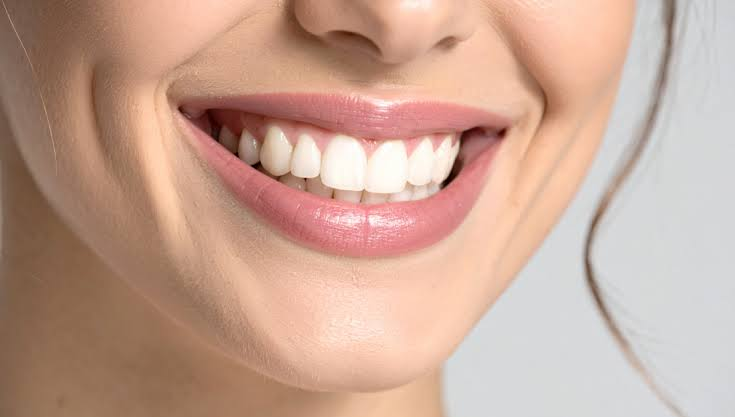
You can like your smile and still wish one or two things looked a little better. That feeling is common. Most people are not asking for a dramatic change. They want their teeth to look healthier, cleaner, and more even without losing the features that make them look like themselves. That is where a subtle approach to dental care in Buford, GA matters.
A small chip, worn edges, uneven spacing, or old dental work can pull more attention than you want, especially in photos or conversations. The stress often comes from not wanting an artificial result. You are not looking for a different face. You want a refined version of what is already there. A skilled family and cosmetic dentist focuses on that balance, improving shape, color, and symmetry in a way that keeps your natural character intact.
Subtle Cosmetic Dentistry Works Best When It Respects What Is Already Yours
The best smile improvements rarely announce themselves. People may notice that you look rested or polished, but they should not be able to point to one obvious change. That usually means preserving tooth structure, matching shades carefully, and making updates in proportion to your face rather than chasing a trend.
This is one reason modern dental materials matter so much. Better bonding systems, ceramics, and composites allow dentists to make small, precise changes with less removal of natural tooth structure. The National Institute of Dental and Craniofacial Research has highlighted ongoing advances in dental materials research, and that progress supports more conservative treatment planning.
When smile design ignores your natural features, the result can feel flat or overly uniform. Teeth that are too white, too long, or too perfectly aligned can shift the whole expression of your face. A modest enhancement does the opposite. It keeps the small irregularities that look human while softening the distractions that make you self conscious.
Minor Repairs Often Do More Than Major Changes
One of the most effective ways to preserve character is to fix only what is actually bothering the smile. A chipped front tooth, a rough edge, or a worn corner can make the whole smile seem tired even when the rest of the teeth look healthy. Small bonding repairs or contouring can restore balance quickly.
This matters because once a treatment becomes more aggressive than needed, you may end up maintaining larger restorations for years. A conservative plan starts with the least invasive option that can still produce a stable, attractive result. If a tiny shape adjustment can solve the issue, there is no reason to move straight to extensive veneers or crowns.
That measured approach is part of what makes subtle smile enhancement feel so personal. It is not about doing more. It is about doing enough, and stopping there.
Shade Matching and Surface Texture Keep a Smile Looking Real
Color is where many cosmetic results go wrong. Natural teeth are not one flat shade. They reflect light differently from the edge to the center, and they often have slight variation from one tooth to the next. A natural looking update takes all of that into account.
If you have older fillings or visible repairs in front teeth, replacing them with better matched materials can make a bigger difference than whitening alone. The National Institute of Dental and Craniofacial Research offers useful background on dental fillings, including the materials used to restore teeth while supporting function and appearance.
Texture also matters. Smooth, lifeless surfaces can make teeth look artificial even when the color is close. Fine details in the enamel help teeth catch light naturally. Strong teeth are built around structure as much as color, which is part of why enamel science remains so important. Research from NIDCR on what keeps teeth strong helps explain why preserving healthy tooth structure should stay at the center of cosmetic planning.
Subtle Orthodontic and Restorative Changes Can Protect Long Term Comfort
A smile is not only about appearance. Slight crowding, uneven wear, and bite imbalance can affect comfort and lead to more visible problems later. In those cases, a cosmetic fix that only masks the issue may not last. A slight alignment correction, reshaping, or replacement of worn restorations can improve the look of the smile and reduce future stress on the teeth.
This is where natural smile improvement becomes more than a cosmetic goal. It means choosing changes that fit your bite, your enamel, and the way you speak and chew. A family and cosmetic dentist often looks at the full picture, not just the front view in a mirror.
Conservative Smile Enhancement Options Compared
| Option | Best For | How It Preserves Natural Character | Things to Consider |
|---|---|---|---|
| Teeth whitening | Surface stains, overall dullness | Changes color without altering shape | Works best when existing restorations already match |
| Bonding | Small chips, gaps, uneven edges | Adds only where needed, often with little to no drilling | May stain or wear over time |
| Enamel contouring | Minor shape issues | Refines existing teeth instead of covering them | Only works for very small adjustments |
| Clear aligners | Mild crowding or spacing | Moves natural teeth into better position | Requires time and steady wear |
| Porcelain veneers | Multiple front tooth concerns | Can be designed to look realistic when done conservatively | More commitment than simpler options |
Three Smart Steps Before You Commit to Cosmetic Dental Work
Start with one or two specific concerns. Instead of saying you hate your whole smile, narrow it down. Is it the color, one chipped tooth, a gap, or old dental work? That focus often leads to a smaller, more precise solution.
Ask to preserve healthy tooth structure. If your teeth are strong, keep that as the baseline. A good treatment plan should explain what can be improved with minimal alteration and what truly requires a larger restoration.
Request a phased plan. You do not have to do everything at once. Whitening first, then bonding, then replacing older fillings if needed can spread out cost and help you stop once the smile feels right. That is often the best path to a cosmetic dental smile that still feels like your own.
A Better Smile Does Not Need to Look Manufactured
The most satisfying smile changes are often the quiet ones. They repair wear, soften distractions, and support healthy teeth without erasing the features that make you recognizable. If you have been putting this off because you fear an unnatural result, that concern is valid, and it is exactly why a subtle plan matters.
When you are ready, schedule a consultation with a family and cosmetic dentist and ask for the most conservative options first.