A home’s roof is more than just a structural feature. It acts as the first line of defense against harsh weather, seasonal changes, and everyday environmental stress. When properly maintained, it protects the interior from moisture, regulates temperature, and supports the overall durability of the home. However, even minor damage to roofing materials can trigger a chain reaction of issues that often go unnoticed until significant repairs are required.
Among the most common roofing concerns homeowners face are broken or damaged shingles. While these may appear harmless at first glance, they can quickly escalate into serious structural problems if left unaddressed. Understanding how broken shingles contribute to costly repairs is essential for homeowners who want to protect their investment and avoid unnecessary expenses.
The Role of Shingles in Roof Protection
Shingles serve a critical function in maintaining the integrity of a roof. Designed to overlap and create a water resistant barrier, they prevent rain, snow, and debris from reaching the underlying materials. Each layer works together to channel water off the roof and away from the home.
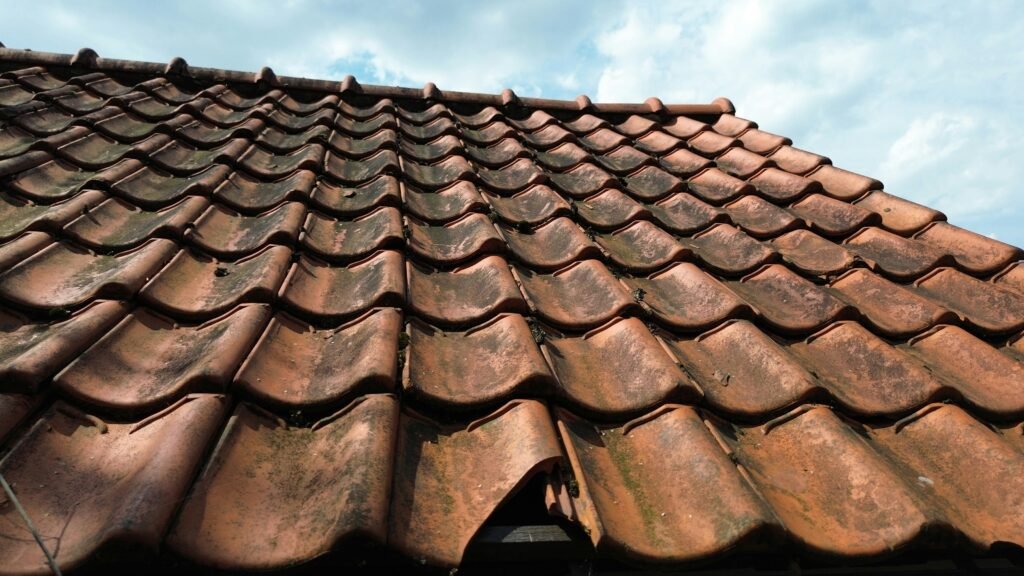
When shingles are intact, they shield the roof deck and support proper drainage. However, once they crack, curl, or go missing, that protective barrier is compromised. Even a single damaged shingle can allow moisture to enter, especially during heavy rain or strong winds.
The issue is not always immediate or obvious. Water intrusion often begins slowly, seeping beneath surrounding shingles and affecting areas that are not visible from the outside. Over time, this can weaken the structure beneath the roof’s surface, creating conditions that demand costly intervention. Competent professionals such as an Austin roofing company often emphasize that early detection is key, as even small vulnerabilities can worsen under prolonged exposure to the elements.
How Water Damage Develops Beneath Broken Shingles
Water is one of the most destructive forces when it comes to roofing systems. Once it penetrates through broken shingles, it begins to affect the internal layers, including the underlayment and roof decking. This process can lead to rot, mold growth, and deterioration of structural components.
Moisture trapped within the roofing system does not simply evaporate easily. Instead, it spreads and affects adjacent materials, increasing the scope of the problem. Wooden components may begin to soften and weaken, compromising the roof’s ability to support weight. In colder climates, trapped water can freeze and expand, causing further damage through repeated freeze and thaw cycles.
Inside the home, the effects of water damage soon become visible. Stains on ceilings, peeling paint, and warping walls are often early signs. By the time these symptoms appear, the damage has typically progressed beyond a simple repair. What could have been resolved by replacing a few shingles may now require extensive structural work.
Increased Risk of Mold and Indoor Air Issues
One of the less visible but equally serious consequences of broken shingles is the development of mold. When moisture enters the roofing system and remains trapped, it creates the perfect environment for mold growth. This issue not only damages building materials but also affects indoor air quality.
Mold spores can travel through ventilation systems and spread throughout the home. This can trigger allergies, respiratory issues, and other health concerns for occupants. Addressing mold often requires specialized remediation services, which can significantly increase repair costs.
In addition to health risks, mold can impact insulation and reduce its effectiveness. Damp insulation loses its ability to regulate temperature, leading to higher energy bills. Homeowners may find themselves dealing with both repair expenses and ongoing inefficiencies, all stemming from what initially appeared to be minor shingle damage.
Structural Weakening and Safety Concerns
As damage progresses, broken shingles can contribute to broader structural issues. Continuous exposure to moisture weakens the roof deck, rafters, and supporting elements. Over time, this can lead to sagging or uneven areas on the roof, which are not only unsightly but also dangerous.
A weakened roof is more susceptible to collapse under pressure, such as heavy rain, snow accumulation, or falling debris. Even if collapse does not occur, the compromised structure may require partial or complete roof replacement to restore safety.
Furthermore, damaged shingles can reduce the overall stability of the roofing system during severe weather. High winds can easily lift loose shingles, exposing larger sections of the roof to damage. This increases the likelihood of emergency repairs, which are often more expensive due to their urgent nature.
Escalating Repair Costs Over Time
One of the most important factors homeowners should understand is how quickly repair costs can escalate when broken shingles are ignored. Addressing minor damage early on is relatively affordable and straightforward. However, as issues compound, the cost rises significantly.
Replacing a few shingles may cost a fraction of what is required for repairing water damage, mold remediation, and structural reinforcement. Labor, materials, and time all increase as the extent of the damage grows. In severe cases, homeowners may even need to replace the entire roof, resulting in a substantial financial burden.
Insurance coverage may not always provide relief. Many policies require homeowners to maintain their property and may deny claims if damage is deemed preventable. This makes proactive maintenance not only a practical approach but also a financially responsible one.
Conclusion
Broken shingles are more than just a cosmetic concern. They represent a critical vulnerability that can compromise the entire roofing system if left unaddressed. From water intrusion and mold growth to structural weakening and escalating costs, the consequences of neglecting shingle damage are far reaching.
Homeowners who take a proactive approach to roof maintenance can avoid these challenges. Regular inspections, timely repairs, and attention to early warning signs can preserve the lifespan of a roof and protect the home beneath it. By recognizing the true impact of broken shingles, it becomes easier to prioritize maintenance and prevent minor issues from turning into major expenses.