It usually starts at the worst time. Your child is fussy, warm to the touch, not sleeping well, and chewing on everything in sight. You notice swollen gums and think teething, then the fever climbs or a cough shows up, and suddenly you are stuck between two worries at once. Is this normal tooth eruption, or is your child actually sick? Invisalign in Antioch can help you determined these questions.
That confusion is common, and it can make a long night feel even longer. The short answer is this. Teething can cause gum soreness, drooling, irritability, and a strong urge to bite. It does not usually cause a true high fever, vomiting, diarrhea, or symptoms that keep getting worse. When a child has those signs, illness needs more attention than the new tooth coming in.
Tooth eruption and fever often happen at the same time, not for the same reason
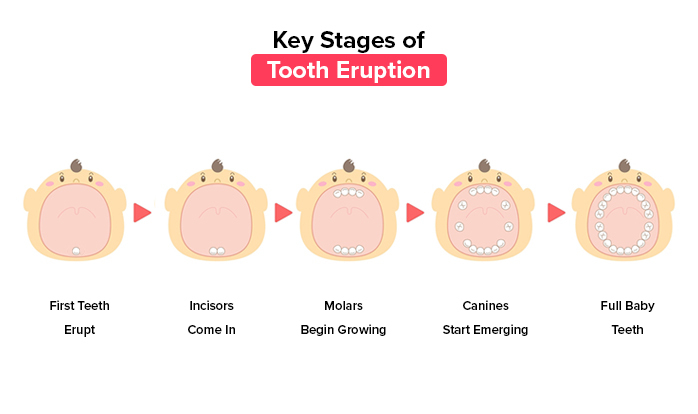
Tooth eruption during sickness can look like one mixed problem, but there are often two things happening at once. Babies and toddlers get teeth during the same months they also catch viruses, start mouthing objects, and come into contact with more germs. That overlap makes teething an easy thing to blame when a child feels unwell.
Teething tends to cause local discomfort. The gums may look puffy. Your child may drool more, rub the face, refuse a bottle for a day, or wake up more often because the mouth feels sore. According to MedlinePlus guidance on teething, mild symptoms can happen, but a significant fever is not considered a normal teething symptom.
That matters because waiting too long can turn a manageable illness into a harder one. If your child has a temperature that keeps rising, seems unusually sleepy, has trouble breathing, is not drinking, or has fewer wet diapers, the tooth is probably not the main issue.
Illness symptoms need a different response than normal teething discomfort
You might be hoping it is just teething because that feels simpler and less scary. Many parents do. The problem is that fever has causes, and some need treatment or at least close watching at home. A cold, ear infection, stomach bug, or another common childhood illness may show up right when a tooth is trying to break through.
Teething and fever in children gets searched constantly because the signs overlap at first. A child who is clingy and drooling may also have a runny nose from a virus. A child who will not eat may have sore gums, or a sore throat, or both. If the child has a fever with no obvious source, pediatric guidance on fever in children can help you judge when to call for medical care.
Parents also worry about money and time. No one wants an urgent visit for something that turns out to be a normal tooth coming in. No one wants to stay home and miss a problem that needed care either. That is why the safest approach is to separate gum symptoms from whole body symptoms. Sore gums, drooling, and chewing point toward teething. High fever, vomiting, diarrhea, rash, dehydration, or worsening behavior point toward illness.
Simple checks at home can help you tell teething from illness
Look in your child’s mouth if they will let you. A small raised area on the gum or a visible tooth edge supports teething. Then step back and look at the bigger picture. Is your child still taking fluids. Are they having wet diapers. Are they alert between fussy spells. Is the temperature mild and brief, or is it climbing and staying there.
This is where a family dentist can help, especially if you are seeing swollen gums, delayed tooth eruption, mouth pain, or questions about what is normal. A dental visit can confirm whether the gums and incoming teeth look healthy, while your child’s doctor can address fever or illness symptoms that do not fit teething. For broader oral health education, the National Institute of Dental and Craniofacial Research is a reliable source.
Signs that suggest teething versus signs that suggest illness
| More consistent with teething | More consistent with illness |
|---|---|
| Swollen or tender gums | Fever that is moderate to high or lasts more than a day |
| Drooling and chewing on objects | Cough, wheezing, or trouble breathing |
| Mild fussiness that comes and goes | Extreme sleepiness, weakness, or hard to wake |
| Temporary drop in appetite from sore gums | Vomiting, ongoing diarrhea, or signs of dehydration |
| Waking more because the mouth is sore | Persistent crying with ear pulling, rash, or worsening pain |
What parents can do right away when a child has teething pain and fever
1. Check the pattern, not just the temperature. Write down when the fever started, how high it gets, and what other symptoms are showing up. A child with gum discomfort and a slightly warm temperature may simply need comfort and observation. A child whose fever rises, drinks less, or seems increasingly unwell needs a medical call sooner.
2. Use safe comfort measures for the gums. Offer a clean chilled teething ring or gently rub the gums with a clean finger. Keep the face dry if drooling is causing skin irritation. Skip unsafe numbing products unless a medical professional has told you to use one. If you are unsure what is safe for your child’s age, ask your doctor or dentist before trying over the counter remedies.
3. Get help when the symptoms move beyond the mouth. Call your child’s doctor for persistent fever, poor fluid intake, fewer wet diapers, vomiting, diarrhea, breathing trouble, or symptoms that do not improve. Call a family dentist if the gums look unusual, a tooth seems delayed or impacted, or mouth pain keeps returning.
Most of the time, teething is uncomfortable but manageable, and illness is what deserves the closer look. Trust what you are seeing. If your child seems sicker than teething should explain, that instinct matters. Support the gums, watch the full set of symptoms, and reach out to a family dentist or your child’s doctor when the picture does not feel right.