You brush, you floss when you can, and maybe you have been thinking about whitening, veneers, or bonding because you want your smile to look better and feel more like you. That makes sense. Most people do not think about prevention or Antioch dental care until something chips, stains, hurts, or starts costing more than expected. That is usually the moment the stress sets in. You wanted cosmetic improvement, not a cycle of repairs.
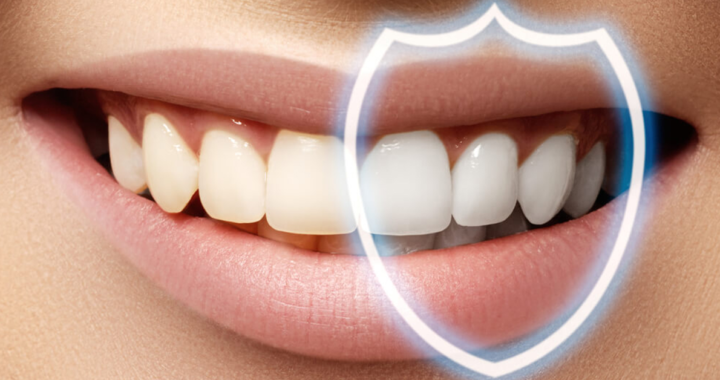
The truth is simple. Cosmetic results last longer when the teeth and gums underneath are healthy. Why preventive dentistry is the secret to long term cosmetic success comes down to one idea. Strong foundations protect the work you invest in. A brighter smile looks better on healthy enamel. Veneers hold up better when gum tissue is stable. Bonding lasts longer when decay and grinding are caught early. Prevention is not separate from cosmetic care. It is what keeps cosmetic care looking good.
Preventive dentistry protects the foundation of cosmetic dental work
A smile can look great on day one and still fail early if the basics are ignored. Plaque buildup near the gumline can lead to inflammation, and inflamed gums can change the way crowns, veneers, and even whitening results appear. If a tooth has hidden decay under an old filling, whitening that tooth will not fix the actual problem. If you grind your teeth at night, a beautiful bonding treatment may chip long before you expected.
This is where people get frustrated. They pay for a cosmetic service and assume the result should carry itself. Then a small untreated issue turns into staining around the edges of restorations, gum recession, sensitivity, or breakage. What felt like a cosmetic problem was really a preventive problem that had been building for months or years.
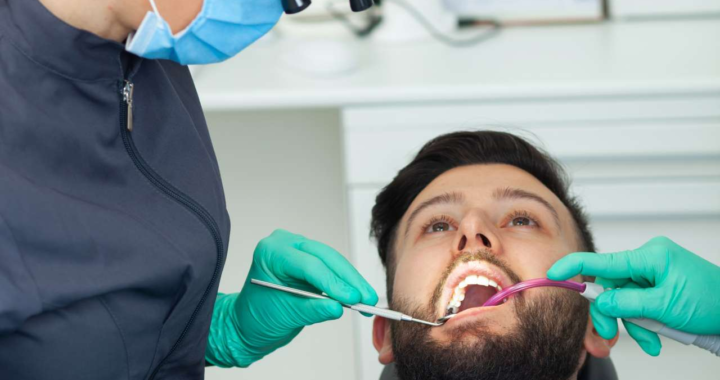
Preventive dental care for cosmetic results means regular exams, cleanings, x-rays when needed, fluoride support, bite checks, and home care that matches your actual risks. If you are prone to dry mouth, cavities, clenching, or gum disease, those details matter just as much as the cosmetic plan itself.
Research supports this approach. The CDC explains how fluoride helps prevent cavities by strengthening teeth and reducing acid damage. That matters for natural teeth and for the margins around cosmetic restorations, where decay can shorten the life of otherwise good work. The CDC also notes that dental sealants can prevent cavities on chewing surfaces, which is especially useful for protecting back teeth that support your bite. A stable bite helps protect front teeth and cosmetic treatments from excess force.
Ignoring prevention makes cosmetic dentistry more expensive and less predictable
Cosmetic dentistry often fails in ordinary ways, not dramatic ones. A patient whitens their teeth but skips cleanings, and surface stain returns fast because plaque keeps collecting. Someone gets veneers but has untreated gum inflammation, so the gumline looks uneven and the result no longer feels polished. Another person replaces old bonding after a chip, but the real issue is nighttime clenching, so the new bonding breaks too.
You can probably see the pattern. The visible issue gets attention, while the cause stays in place.
That is why preventive dentistry and cosmetic success belong in the same conversation. Prevention lowers the chance of decay, gum disease, enamel wear, and bite damage. It also gives your dentist a clearer view of what cosmetic treatment will hold up and what needs to be stabilized first. The CDC highlights the broader burden of oral disease and the value of prevention in reducing pain, tooth loss, and health costs. The same principle applies on a personal level. Small routine care is easier than redoing cosmetic work after the underlying tooth or gum health changes.
General and cosmetic dentist care works best when prevention comes first
A good cosmetic plan does not start with shade guides alone. It starts with a full look at your enamel, gums, bite, habits, and risk factors. A general and cosmetic dentist can spot the issues that shorten the life of cosmetic treatment, then build a plan that supports both appearance and function.
That may mean treating gum inflammation before veneers. It may mean fluoride treatment before whitening if you already have sensitivity. It may mean a night guard after bonding if you clench in your sleep. None of that is extra. It is what helps the cosmetic result stay stable instead of becoming another repair on your calendar.
| Approach | Short Term Result | Long Term Effect |
|---|---|---|
| Whitening without a preventive exam | Teeth may look brighter quickly | Hidden decay, sensitivity, or uneven results may shorten satisfaction |
| Veneers placed with healthy gums and bite review | Cleaner fit and better appearance | Lower risk of edge staining, gum changes, and force related damage |
| Bonding without addressing clenching | Immediate cosmetic fix | Higher chance of chipping or wear |
| Routine cleanings, fluoride, and home care before and after cosmetic treatment | Better oral health and a cleaner surface for treatment | Cosmetic work often lasts longer and looks better over time |
Small preventive steps create long term cosmetic success
Schedule a preventive exam before cosmetic treatment. If you are considering whitening, veneers, bonding, or contouring, start with a full check of your teeth and gums. Ask about decay risk, gum health, enamel wear, and bite pressure. You want to know what could affect the result before you commit to the cosmetic side.
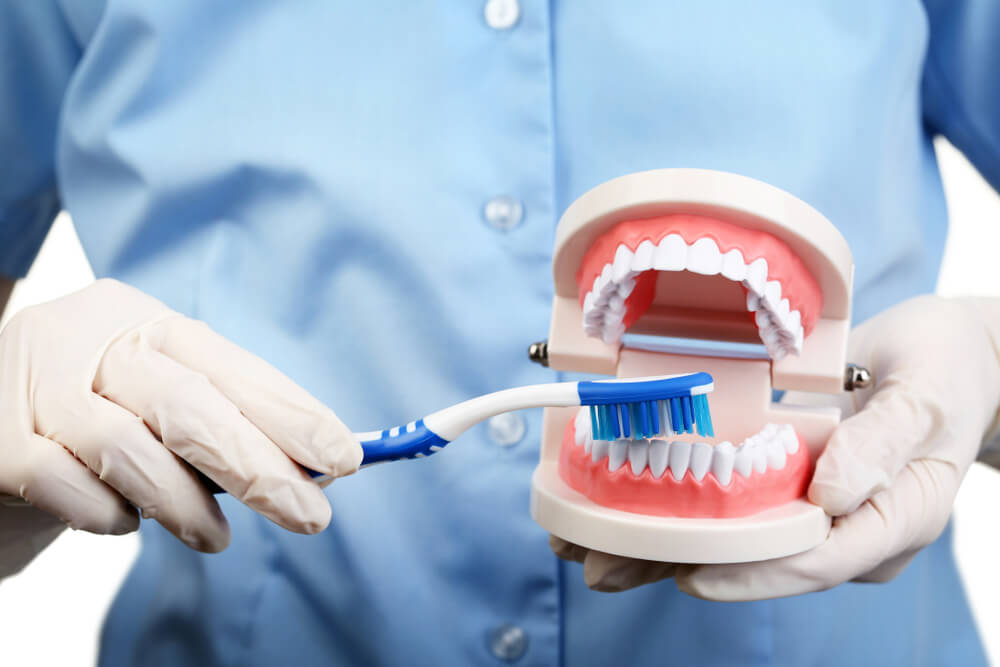
Match your home care to your actual risks. If you get cavities easily, ask about fluoride options. If your gums bleed, focus on daily plaque control and professional cleanings. If you grind, do not ignore it because your teeth still look fine. Cosmetic treatment can hide wear for a while, but it cannot stop the force causing it.
Keep maintenance appointments after treatment. Cosmetic work is not a finish line. It needs follow through. Regular visits help catch edge staining, tiny fractures, recession, and bite changes early, when they are easier and less expensive to manage.
A healthy smile keeps cosmetic dentistry looking good
You do not need to choose between health and appearance. The best cosmetic outcomes depend on both. When prevention leads, cosmetic care becomes more predictable, more durable, and less likely to turn into repeat fixes. If you want a smile that looks good and stays that way, start with the habits and care that protect the teeth underneath.
Take the next step by scheduling a visit with a trusted dental professional who offers both preventive and cosmetic care. The right plan should help your smile look better now and hold up well over time.